Crayford Bulky Waste Moves: Pricing and Practicalities
Posted on 26/06/2026
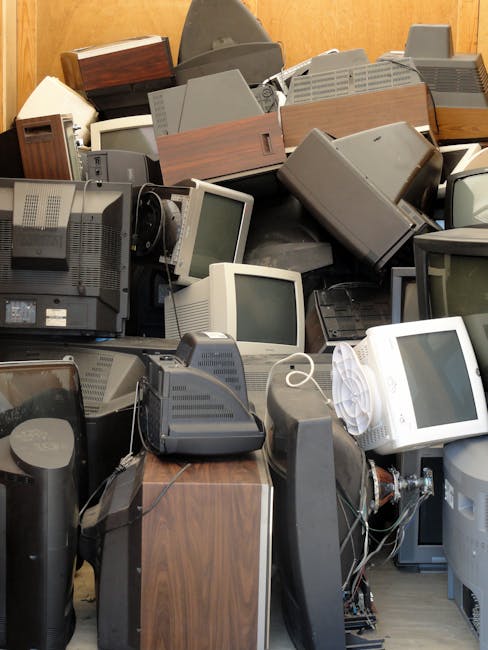
If you are staring at an old sofa, a broken wardrobe, or a pile of awkward household items and wondering how on earth they will leave the property, you are not alone. Crayford bulky waste moves: pricing and practicalities is one of those topics that sounds simple until you are actually mid-move, with a stairwell that feels too narrow, a parking space that vanished, and a radiator you really do not want scratched. This guide breaks the process down in plain English, with a local Crayford focus and a realistic look at what affects cost, what the job involves, and how to plan it without stress.
We will cover the main pricing factors, the practical steps that make bulky item collection smoother, common mistakes people make, and the best way to decide whether you need a one-off lift, a van-and-two-hands job, or a full removal service. If you are trying to save time, money, and your back, you are in the right place.
Why Crayford Bulky Waste Moves: Pricing and Practicalities Matters
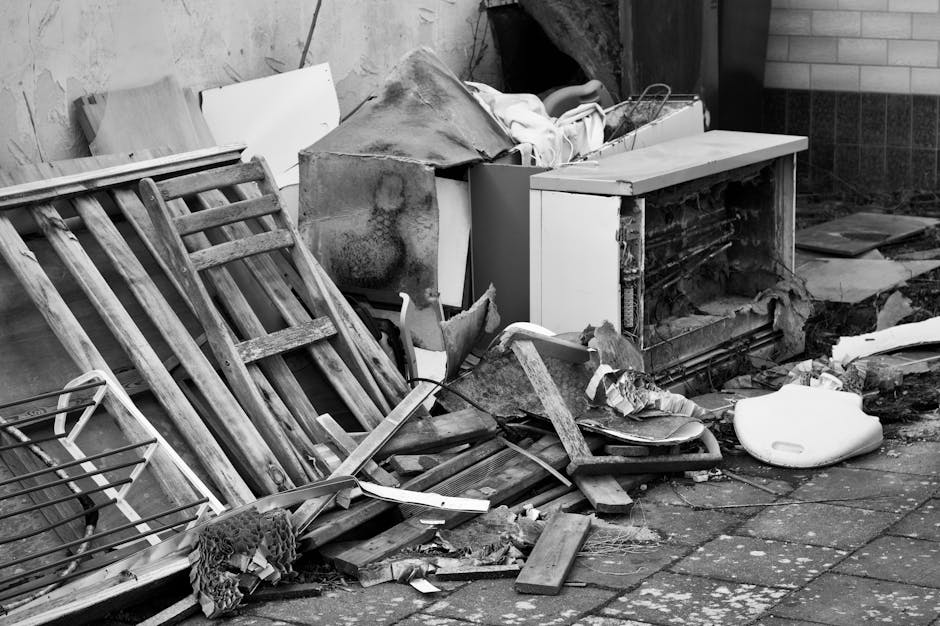
Bulky waste is rarely just "one item". In real life, it is usually a sofa that will not fit through the hall in one piece, a mattress that keeps catching on the banister, or a freezer that somehow became twice as heavy since you bought it. In Crayford, that often means dealing with tight access, shared entrances, limited parking, or a short loading window. The price of moving bulky waste is not only about lifting something heavy; it is about the full amount of time, labour, vehicle space, and care required to remove it properly.
This matters because bulky waste moves can look inexpensive at first glance, then become costly if access is poor, items need dismantling, or the load requires more than one person. On the other hand, a well-planned move can be surprisingly efficient. That is the main point here: pricing is tied to practicality. The better the prep, the more predictable the result.
It also matters for safety. Heavy items moved badly can damage walls, floors, lift doors, and backs. Nobody wants a chipped staircase or a strained shoulder because a wardrobe "looked manageable". Truth be told, bulky waste has a habit of humbling people.
For readers planning a wider move, it can help to look at related practical guidance too, such as decluttering before moving and tips for a stressless house relocation. Both are useful when bulky items are part of a bigger transition.
How Crayford Bulky Waste Moves: Pricing and Practicalities Works
At a practical level, a bulky waste move is a small logistics exercise. Someone needs to assess the item, check access, estimate the labour needed, decide what vehicle size is appropriate, and plan the route out of the property. If the job is local to Crayford, travel time may be modest, but access and handling still drive the real cost.
Most pricing is shaped by a few familiar variables:
- Item size and weight - a single armchair is very different from a three-seater sofa-bed or American-style freezer.
- Access conditions - ground floor flats are simpler than top-floor properties with narrow stairs.
- Disassembly needs - some items need doors removed, beds taken apart, or drawers secured.
- Loading distance - the further the item must be carried to the van, the more labour is involved.
- Time sensitivity - same-day or urgent removals can cost more because they interrupt the schedule.
- Waste handling - if the items are going for recycling or disposal, sorting and load type may affect the overall job.
In practice, many people ask for "just a price", but a good quote usually comes from a quick discussion of what is being moved, where it is located, and whether there are any awkward bits. A photo helps. So does being honest about the stairs, the parking, and the item's actual condition. The quote is only useful if it reflects the real job.
If you are comparing prices, it is worth understanding how quote accuracy works in the local area. The article on DA1 removals and accurate quotes is a helpful companion piece because postcode-level details can affect planning more than people expect.
Key Benefits and Practical Advantages
The biggest benefit of arranging bulky waste moves properly is peace of mind. It sounds a bit obvious, but when an oversized item is sitting in the hallway, the relief of having it removed safely is immediate. You reclaim space, clear hazards, and avoid the slow creep of clutter.
Other practical advantages include:
- Less physical risk - no risky solo lifting or awkward dragging over thresholds.
- Better property protection - professionals tend to use blankets, straps, and safer handling methods.
- Faster clearance - what could take you all afternoon may take a trained team a fraction of the time.
- Cleaner exit path - useful if you are preparing a property for handover, sale, or letting.
- More flexible scheduling - bulky waste collection can often be slotted around other moving tasks.
There is also a time-saving benefit that people underestimate. You do not just save the lifting time; you also save the thinking time. No measuring door frames five times. No wondering whether the item will fit in the car. No last-minute panic when the mattress is half out and half in. That mental load is real.
And for anyone trying to combine decluttering with removal, there is a nice knock-on effect. Once one bulky item leaves, the rest of the room often feels easier to sort. A tidy hallway changes the whole mood of a property, especially on a damp afternoon when everything feels a bit more annoying than it should.
Who This Is For and When It Makes Sense
Bulky waste moves are not only for people doing a full house clearance. They are useful in a much wider set of situations:
- homeowners replacing old furniture
- tenants clearing a flat before check-out
- landlords dealing with leftover items
- students moving out and needing one or two large items shifted
- small offices replacing desks, chairs, or cabinets
- families rearranging rooms and disposing of old beds, sofas, or appliances
They make sense when the item is too heavy, too awkward, or too risky to handle alone. They also make sense when speed matters. If a bulky item is blocking a room, access route, or view of a space you need to use that same day, waiting is often more trouble than it is worth.
For example, if you are planning a flat move, bulky items can be bundled into the wider job. In that case, pages like flat removals in Crayford and man and van support in Crayford may be relevant depending on the volume and access. Not every move needs a full-size operation, and that is fine.
If the item is unusually delicate or valuable, the decision changes again. A piano, for example, is not bulky waste in the casual sense; it is a specialist move. The same is true for items like large freezers or high-value furniture. A bit of common sense goes a long way here.
Step-by-Step Guidance
Here is the most reliable way to approach a bulky waste move without turning it into a headache.
- List the items clearly. Note what needs moving, whether it is intact, and whether anything is attached or fixed in place.
- Measure the awkward points. Doorways, landings, stair turns, lifts, and external steps matter more than people think.
- Check access and parking. Where will the vehicle stop? Can it stop there legally and safely?
- Decide whether items need dismantling. Beds, wardrobes, and some sofas are simpler once partly taken apart.
- Get a realistic quote. Share photos if you can. Honesty here avoids awkward surprises later.
- Prepare the route. Clear clutter, move rugs, protect corners, and make sure the path is usable.
- Separate anything reusable from true waste. This helps with recycling and avoids unnecessary disposal.
- Confirm timing and load plan. A good provider will explain how many people, what vehicle, and what sequence makes sense.
- Be ready on the day. Having the item accessible and the route clear saves a surprising amount of time.
A small real-world note: if a hallway is stuffed with coat stands, bins, and shoes, the move is instantly harder. I know that sounds like a tiny detail. It is not. It is often the tiny details that decide whether a job feels smooth or messy.
Expert Tips for Better Results
There are a few things that consistently make bulky waste moves easier. None of them are glamorous, but they work.
- Take photos before booking. A clear image of the item and its surroundings helps with estimating.
- Use the "one path" rule. Keep a single clear route from item to vehicle. No zig-zagging around boxes.
- Remove loose parts first. Cushions, drawers, shelves, doors, and detachable legs can reduce weight and snagging.
- Protect sharp corners and floors. A few blankets, cardboard sheets, or protective covers can prevent avoidable scuffs.
- Group related items together. If you are moving one bulky item, check whether there are two or three smaller items that should go at the same time. It may be more efficient.
- Ask about lifting methods. Safe techniques such as controlled team lifting or kinetic lifting principles can reduce strain and improve handling. There is a useful overview of this in kinetic lifting methods for moving.
Another smart move is to declutter before the bulky waste collection. If you are unsure what to keep, the article on stress-free moving through decluttering gives a sensible framework. Less stuff means fewer decisions, and fewer decisions usually means less stress. Simple, really.
To be fair, you do not need a perfect system. You just need enough structure to stop the process becoming chaotic. That is the difference between "sorted" and "why is everything in the driveway?".
Common Mistakes to Avoid
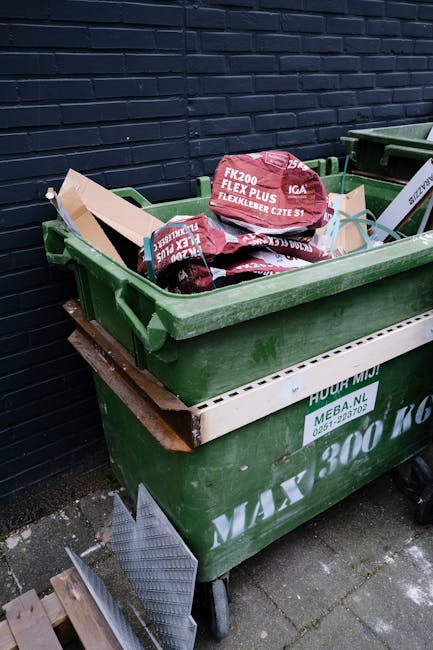
Most costly bulky waste mistakes are avoidable. The usual suspects show up again and again:
- Underestimating weight - old furniture often weighs more than expected, especially if it contains solid wood or internal mechanisms.
- Ignoring access issues - a narrow stairwell or tight corner can change the whole job.
- Leaving it until the last minute - urgent jobs tend to feel more expensive and more stressful.
- Not checking parking - if the vehicle cannot stop nearby, labour time rises.
- Forgetting to empty items - freezers, wardrobes, and drawers should usually be emptied before moving.
- Trying to do it solo - this is the one that gets people into trouble most often.
There is also a sneaky mistake people make: assuming all bulky waste is the same. A sofa is not a sofa is not a sofa. A corner unit with fixed sections and a heavy frame is a different animal from a light two-seater. Same with beds, mattresses, and appliances. The shape matters, the materials matter, and the route out matters.
If a piece is especially awkward, get honest about it. You may need more than one person, proper padding, and a better removal plan. For solo handling guidance, a cautious read of strategic lifting advice for hefty objects is useful, though the safest decision is often not to lift solo at all.
Tools, Resources and Recommendations
You do not need a van full of specialist equipment for every bulky waste move, but the right basics make life easier:
- Furniture blankets for surface protection
- Straps and ties for securing load items
- Gloves for grip and hand protection
- Furniture sliders for short internal repositioning
- Tools for dismantling such as screwdrivers and Allen keys
- Measuring tape to check clearances before the item is halfway out of the room
- Strong bin bags or boxes for associated small waste and loose parts
For people moving household contents at the same time, it can be useful to review practical packing guidance too. packing tricks that simplify a move can save a lot of time when bulky waste is only one part of the job. Likewise, if you are clearing a bedroom, bed and mattress moving advice can help you avoid avoidable damage.
Sometimes the best resource is simply better planning. If you know an item will not fit through the front path, think about the route before moving anything else. If there are parking constraints, factor that into the schedule. If the item is wet, greasy, or damaged, mention it. A few extra words upfront can save a lot of awkwardness later.
Law, Compliance, Standards, or Best Practice
For bulky waste, the key thing is to use a responsible approach to disposal and movement. In the UK, you should always be careful about who removes waste and where it ends up. As a customer, you do not need to become an expert in waste law, but you should expect the work to be handled responsibly and with basic due care.
Best practice usually includes:
- making sure items are transported safely and securely
- separating reusable items where practical
- using suitable lifting methods to reduce injury risk
- handling access and parking in a way that avoids nuisance or obstruction
- being clear about what is being collected and whether it is for disposal, reuse, or recycling
Safety is part of compliance here too. Good operators should think about manual handling, property protection, and traffic risk. If you want more on how those principles are approached in practice, the site's health and safety policy and insurance and safety information are the kind of pages people often check when they want reassurance.
Recycling is another important part of the picture. Where items can be reused, repaired, or broken down into recyclable components, that is generally preferable to sending everything straight to general waste. A sensible article on recycling and sustainability is a good reminder that disposal should be efficient and responsible, not just fast.
And one more practical point: if you are comparing providers, check the terms, payment process, and complaints route before you book. It is not exciting reading, I know. Still, it can prevent annoying misunderstandings.
Options, Methods, or Comparison Table
There are usually three practical ways to deal with bulky waste in Crayford: do it yourself, hire a man-and-van style service, or book a more structured removal service. The right choice depends on item size, access, and how much time you want to spend on the job.
| Method | Best for | Pros | Trade-offs |
|---|---|---|---|
| DIY removal | Very small, light items and easy access | Lowest direct spend if you already have transport | Higher physical risk, more time, more chance of damage |
| Man and van | One-off bulky items, mixed loads, local moves | Flexible, often quicker, helpful for awkward lifting | May be limited by access, labour, or load size |
| Full removal service | Multiple items, heavy furniture, larger clearances | More hands, better planning, smoother handling | Usually higher cost than a very small job |
If you are unsure which route fits, think in terms of friction. How much friction is the item causing? A single old armchair causing no access problems may suit a lighter touch. A sagging sofa wedged up a narrow staircase? That is a different story entirely.
For readers already comparing moving options, these pages may be helpful context: man with a van in Crayford, removal services in Crayford, and services overview. Different jobs need different levels of support, and it is better to match the method to the mess than to pretend every move is the same.
Case Study or Real-World Example
Consider a typical Crayford flat clearance scenario. A resident has a two-seater sofa, an old mattress, a broken bookcase, and a chest freezer that no longer works. None of the items is impossible on its own, but together they create a headache. The hallway is narrow. There is a bend on the stairs. Parking is limited in front of the property, so the loading point matters.
The sensible approach is to assess the load first, then sequence the move. The freezer comes out after the route is cleared, the bookcase is dismantled where possible, and the sofa is handled with protection on the corners. The mattress is kept clean and dry, ideally wrapped or shielded so it does not pick up grime on the way out. If the job is planned properly, the move feels calm rather than chaotic. Not effortless, exactly, but controlled.
In another case, a commuter living near Crayford Station might only need a quick bulky item pickup before a weekend move. There, speed matters more than complexity. A short window, a clear path, and good communication can make a same-day or near-same-day collection much smoother. For time-sensitive situations, booking a same-day Crayford removal is often the practical choice.
Small detail, big difference: the best jobs usually start before the van arrives. When the item is ready, the route is clear, and the person booking has given accurate information, the whole process becomes far less stressful. You can hear it in the quiet, really - less thumping, less muttering, fewer last-minute fixes.
Practical Checklist
- Confirm exactly which items need moving
- Measure the largest item and the tightest route points
- Take photos of the item and access route
- Decide whether dismantling is needed
- Clear the hallway, stairs, and loading area
- Check parking and access before booking
- Ask how the price is being calculated
- Separate reusable, recyclable, and true waste items
- Protect floors, walls, and corners if needed
- Make sure someone is available to answer questions on the day
- Keep fragile, valuable, or personal items out of the way
- Review the booking terms and payment details
And yes, a kettle nearby does help. Not essential, obviously, but moving days run better with tea. Everyone knows this.
Conclusion
Crayford bulky waste moves: pricing and practicalities are really about making a difficult job feel predictable. Once you understand what shapes the cost - size, access, labour, timing, and handling - the rest becomes a matter of good preparation. That means clearer quotes, fewer surprises, and a much safer move overall.
If you only take one thing from this guide, let it be this: the cheapest-looking option is not always the best value, and the smoothest move usually comes from honest planning rather than guesswork. A little preparation goes a long way, especially when the item is large, awkward, or just plain stubborn. Which, to be fair, is how a lot of furniture behaves.
If you are weighing up your next step, start with the item list, the access route, and a realistic idea of timing. From there, choosing the right support becomes much easier.
Get a free quote today and see how much you can save.