Man with van in Crayford for practical home and business moves

Our man with van in Crayford service is set up for customers who need straightforward moving support without unnecessary complication. It is suited to single items, part-loads, room contents and modest household or workplace moves, with transport arranged around what actually needs moving. The focus is on careful loading, sensible vehicle space and a clear plan for the journey, so that the work feels organised from the first item to the last.
We handle a range of removal jobs where a full-size lorry would be more than is needed. That can include local moves, furniture collection, helping with items that are awkward to carry, and transport support for anyone who wants a neater, simpler moving day. The service can be adapted to the volume of belongings, the access at each property and the type of items being moved, so customers can match the booking to the job rather than forcing the job to match the booking.
If you are comparing moving options, it can help to think about what needs lifting, what needs protecting and how much space the load will take. Man with van services are often chosen for flexible jobs, while wider moving support may suit customers who need additional handling on larger or more varied loads. For a quotation, you can send through the details of the move and ask what is most suitable.
What our van-based moving service can cover
Our work is centred on the kind of moving jobs that benefit from a van, practical loading and careful handling rather than a large-scale removal crew. That makes the service useful for furniture, white goods, boxed belongings, business items and items collected from storage or another address. We keep the emphasis on the task itself: what has to be moved, how it should be positioned in transit and what level of support is required at the start and finish of the job.
For customers looking at different service pages, it may help to compare broader removal support, household moves and commercial transport options before deciding what to book. Removal services can cover a wider range of moving tasks, while specific home or office pages are more helpful when the move type is already clear. If your job is straightforward but still needs organisation, this page is a useful starting point for planning the move and requesting a quotation.
Typical jobs can include the transport of a few larger items, a partial property clearance, a small move between addresses, or support for belongings that need to travel together in one organised load. The exact shape of the service depends on access, item size and whether fragile, heavy or bulky pieces are included. Where useful, we can structure the move so that loading order, protection and unloading sequence all make sense for the property and the goods involved.
House moves and domestic moving support

Household moving often needs a balance between speed and caution. A van-based move can suit flats, smaller houses, starter homes or situations where only part of the property is being moved at once. The work may involve carrying items down stairs, moving furniture through narrow halls or loading in a way that reduces unnecessary handling. For domestic customers, the value lies in having a practical transport option that can be arranged around the belongings themselves.
If you are comparing home moving options, you may also want to look at the broader page for home moves, especially when the move involves a fuller household load. Where the task is more focused on moving furniture between properties, the house removals and house movers pages may also help you judge the scale of service you need. The right choice depends on whether the job is a compact move, a partial move or a more involved domestic relocation.
Domestic moves often go more smoothly when the load is sorted before the van arrives. In practical terms, that means knowing which items are staying together, which pieces need extra care and whether anything is especially awkward to manoeuvre. A short written summary is usually enough to begin a quotation, and if the job has stairs, parking limits or fragile pieces, it is sensible to mention them early. If you are ready to move forward, you can ask for a quote in plain language and let the details guide the plan.
Packing, loading and careful handling
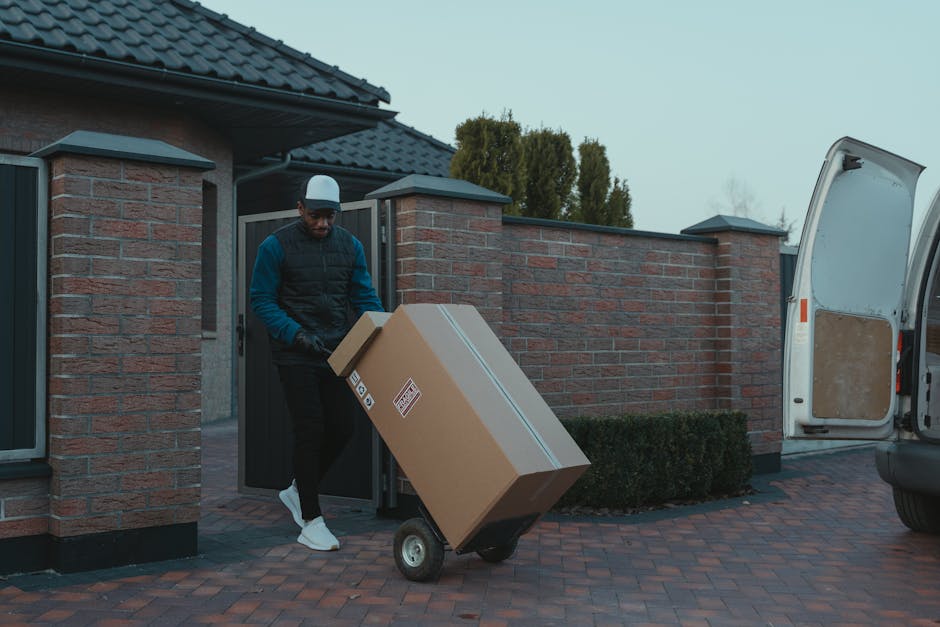
Good moving support is not only about the vehicle; it is also about the way items are prepared, carried and arranged in transit. When furniture is dismantled, wrapped or stacked well, it is easier to protect it and use the available van space efficiently. Our approach to loading is practical and measured, with attention paid to how items fit together and how they should be secured for the journey. That matters whether the job is a single collection or a full load.
Some customers also need help preparing items before they travel. For those jobs, packing and unpacking services can be relevant where boxing, wrapping or unboxing forms part of the moving process. If the items are heavy or unusually shaped, removal van support can be used in a way that keeps the load organised and reduces wasted journeys. The aim is to keep the move efficient without making unnecessary assumptions about what each customer needs.
Useful preparation usually stays simple:
- group the items that need to travel together
- note anything fragile, bulky or hard to lift
- check whether access is level, stair-based or restricted
- tell us if furniture needs dismantling before collection
- mention parking issues that may affect loading close to the property
Furniture pick-up and single-item transport
 Furniture collection is one of the most useful parts of a man with van service because it bridges the gap between a dedicated courier and a full removal crew. A sofa, wardrobe, table, bed frame or similar item may be too awkward to move in a car but not large enough to justify a major move. In those cases, a van service gives the item proper transport and the handling it needs from pickup to delivery.
For one-off collections, the most helpful information is the size of the item, where it is being collected from and whether it is already dismantled or still assembled. Where customers want a page focused on collections, furniture pick-up is the closest match for that type of work. If the move is part of a broader relocation, the item may instead be carried alongside other belongings as part of a fuller load.
Single-item transport also works well when the delivery point is easy to reach but the item itself is awkward to carry. That might include heavier furniture, appliances, boxed equipment or pieces that need to be kept upright and secure. In these cases, clarity matters more than volume. A concise description of the item, access at both ends and any protective handling needed allows the move to be planned realistically and quoted appropriately.
Commercial moves and office removals
Van-based moving is not only for homes. Small business customers often need a measured way to move stock, equipment, filing, desks or boxed materials without turning the process into a major project. Our service can support compact commercial moves where the load is manageable but still needs proper organisation, safe handling and clear timing. That makes it useful for traders, sole operators and offices with modest relocation needs.
If your move is workplace-related, the pages for commercial moves and office removals may help you decide whether the job is best treated as a business relocation or a lighter transport task. Some customers also use office relocation services when the move involves more than one area of the premises or a staged transfer of items. The right arrangement depends on the amount of equipment, the need to keep items together and the level of access at both locations.
Business moves can benefit from a tidy sequence: first the items that are easiest to box and carry, then the larger pieces, then the final checks for anything left behind. If documents, electronics or stock have to travel with care, it helps to identify them early so they can be loaded in a way that suits the load order. A thoughtful plan can make a short move much easier to manage and can reduce disruption to the working day.
Choosing the right removals option

Not every move needs the same level of support, and choosing the right removal option can save time as well as unnecessary cost. Some customers only need transport and loading, while others want a more rounded moving service that can deal with a larger inventory or a more complex property layout. A man with van arrangement is often the most practical middle ground when the job is too large for a simple collection but smaller than a full house move.
To compare options, it can help to look at the broader pages for removals, removal company and removal companies. Those pages are useful if you are deciding how broad the service needs to be, while this page is aimed at customers who want transport that stays flexible and focused. If you know the main item count and the access at both ends, you are usually in a good position to ask for a quote.
There is also value in being clear about what is not included. For example, some customers want only transport, while others may want loading help, dismantling or support with packing. Stating the job clearly avoids confusion and helps ensure the booking matches the actual work. A simple message with the collection and delivery points, the type of goods and any access notes is often enough to begin the process.
How pricing is usually shaped
Pricing for a van-based move normally depends on the amount of space needed, the distance travelled, the complexity of access and the level of handling involved. A compact local job with straightforward loading is very different from a move involving stairs, difficult parking, several bulky items or multiple collection points. When you understand those basic factors, it becomes easier to compare moving options and request a quotation that reflects the real work rather than an assumed average.
For customers who want to see how this business approaches quotes, pricing and quotes is the most relevant page to check next. If the move includes additional handling, a larger load or a mix of items, it is sensible to mention that in the initial enquiry so the quotation can be based on the actual job. Clear information at this stage helps reduce back-and-forth and supports a more accurate estimate.
A practical quote request usually includes a brief list of what is moving, where it is going and whether anything needs special care. That is often enough for us to understand the shape of the job and advise on the most appropriate service. If you are ready to start, send the details and ask for a quotation; the next step can then be matched to the move itself.
About Crayford
Crayford is an area in the London Borough of Bexley, in south-east London, where the built environment reflects both long settlement history and later suburban growth. The River Cray runs through the locality, giving the place its name and shaping a corridor that has long influenced movement, industry and open space. The area sits on important routes between east London and Kent, which has helped it develop a practical rather than purely ornamental character, with transport links, retail uses and residential streets layered around older historical traces. Crayford’s history can be read in its surviving church fabric, former industrial sites and the way modern development sits alongside older landmarks. Crayford Manor House is one of the better-known historic buildings in the area, while the nearby church of St Paul’s adds to the sense of continuity in the local landscape. The riverside and valley setting also contribute to the geography, creating greener and lower-lying stretches compared with the surrounding built-up streets. Crayford Marshes and the wider open spaces near the river provide relief from the denser urban grain, and the locality has long retained a connection to waterside land and routes. The name itself is historically linked to the ford over the River Cray, a reminder that crossing points once mattered as much as roads do now. In modern terms, the area combines housing, commercial premises and transport infrastructure, with the A207 and nearby rail connections reinforcing its role as a place of passage as well as residence. That mix of history, waterway and infrastructure gives Crayford a distinctive identity within the wider borough, with layers of older settlement and everyday movement still visible in its streetscape.
Making the moving day straightforward
 When customers book a man with van service, they usually want the move to feel organised rather than overcomplicated. That is why we keep the service focused on the essentials: the items, the access, the route and the handling needed to get everything moved safely. Whether the job is a partial house move, a furniture collection or a compact office transfer, the aim is to make the transport side of the day feel under control.
If you are still deciding what level of help is right, you can compare the service pages for moving van, moving truck and removals van. Those pages are useful when you want to weigh up the scale of vehicle and type of move before committing. For many customers, a van is the simplest and most cost-conscious option when the load is sensible and the access is manageable.
Ready to take the next step? Use the details you already know, add anything unusual about the items or access, and ask for a quotation. If the move is larger than expected, we can help you think through the load and decide whether a different removal page is more suitable. Start with a clear message and let the move be matched properly.
Recycling, sustainability and responsible disposal
Some moving jobs involve items that are not travelling to a new home, but instead need to be collected, separated or dealt with responsibly. Where that happens, a practical removals service should still think carefully about reuse, recycling and the most sensible route for each piece. Furniture, packaging, small fittings and mixed household items can often be managed in a way that avoids unnecessary waste, provided the customer explains what is included at the outset.
For more detail on that side of the business, the page on recycling and sustainability is the right place to look. It can help customers who want to understand how unwanted items may be handled alongside the moving work. When a job includes both transport and sorting, it is useful to say so clearly in the enquiry so that the work can be planned in the right order and with the right expectation.
This is especially relevant when a property is being emptied in stages, when only selected pieces are being kept, or when the move includes items that have reached the end of their usable life. In those cases, clarity about what is staying, what is moving and what is being removed makes the job easier to manage. If you are unsure how to describe it, a short list is usually enough to get started.
Contact and next steps
Before sending an enquiry, it helps to check the basics once: what needs moving, whether it is one address or two, and whether any items need dismantling, lifting support or extra care. A brief summary of the job is usually all that is required to begin a helpful response. If you have photographs or a list of items, they can make the quotation easier to shape, but a clear written description is often enough for a first conversation.
Where customers want to explore the business more fully, the about us, insurance and safety and health and safety policy pages can provide extra context about how the service is presented and organised. Those pages sit alongside the practical moving pages and can help customers feel more informed before they book. If you need to understand the terms of service as well, the relevant policies are also available for review.
If you would like to go ahead, contact us for a quotation and share the moving details that matter most. Whether it is a small domestic job, a furniture pick-up or a compact business move, we can use the information you give to suggest the most suitable approach and quote accordingly.