Moving from Crayford High Street: Tips for Tight Access
Posted on 22/05/2026
Moving out of Crayford High Street can feel straightforward on paper, then suddenly a parking bay disappears, a doorway looks narrower than you remembered, and the van is two streets away. That is the reality of tight-access moves: a small set of practical details can change the whole day. If you are planning a home, flat, or office move in the centre of Crayford, the smartest thing you can do is prepare for the access, not just the packing.
This guide brings together the stuff that genuinely helps: how to assess access properly, what to tell your mover, which items create the most trouble, and how to avoid the usual last-minute scramble. It also covers sensible UK moving best practice, local considerations, and a few real-world fixes that make life easier. Truth be told, tight access is rarely impossible. It just needs a calmer plan than most people expect.

Why Moving from Crayford High Street: Tips for Tight Access Matters
High street moves are a different beast from a wide-open suburban driveway job. Around Crayford High Street, you may be dealing with passing traffic, limited waiting space, shared entrances, stepped thresholds, narrow stairwells, awkward corners, and neighbours who are trying to get on with their day. A move becomes less about "How many boxes do we have?" and more about "How do we physically get these boxes out without chaos?"
That matters because access problems can create knock-on delays. If a van cannot stop close enough, every item takes longer to carry. If a sofa will not turn in the stairwell, you need more people, more time, or a plan B. If you have not checked parking or loading restrictions, the whole timeline can shift. And nobody wants to discover that on moving day while holding a wardrobe at a funny angle in a communal hallway.
There is also a safety angle. Tight spaces raise the risk of slips, scrapes, crushed fingers, damaged plaster, and bruised furniture. In our experience, the moves that go best are the ones where someone has quietly thought through the awkward bits beforehand. That simple step saves a lot of stress later.
If you are also decluttering before the move, a good place to start is this guide to moving with less clutter. Fewer items almost always means fewer access headaches.
How Moving from Crayford High Street: Tips for Tight Access Works
A tight-access move works best when it is treated as a sequence, not a single event. First, you map the access. Then you reduce the load. Then you choose the right vehicle, tools, and lifting method. After that, you move the items in the safest order possible. Sounds simple. Sometimes it is. Sometimes, well, the hallway has other ideas.
Start by looking at the full route from inside the property to the van:
- Front door width and whether it opens fully
- Internal stairs, landings, and sharp corners
- Lift access, if there is one, and whether it is serviceable
- External steps, railings, bollards, or tight pavements
- Parking distance from the entrance
- Overhead restrictions, low branches, or awkward street furniture
Once you know the route, decide which items are likely to need dismantling, extra wrapping, or specialist handling. That is where service matching matters. A standard man and van service in Crayford can be ideal for lighter, flexible jobs, while heavier or more complicated homes may be better suited to full house removals in Crayford or dedicated furniture removals support.
In practical terms, the move often runs like this:
- Walk the access route before move day.
- Reserve or identify the closest safe loading point.
- Measure bulky furniture against doors and stair turns.
- Separate fragile, heavy, and awkward items.
- Prepare wrapping, straps, blankets, and floor protection.
- Load the easiest items first and the awkward items last, or the other way around depending on the route and vehicle layout.
The main point is simple: tight access is manageable when the move is designed around the access, not the other way round.
Key Benefits and Practical Advantages
Taking access seriously gives you more than just a smoother moving day. It can reduce cost, protect your belongings, and save a surprising amount of time. That is especially true in busy local streets where one small delay can snowball.
Here are the biggest advantages:
- Less risk of damage to furniture, walls, banisters, and flooring
- Faster loading and unloading because the route is planned
- Better use of labour since the team knows what to expect
- Lower stress for you and everyone involved
- Fewer surprises around parking, keys, or access codes
- Safer handling of awkward or heavy items
There is also a quality-of-life benefit that people underestimate. When the access plan is clear, the move feels controlled. You are not trying to solve problems in real time while the kettle is still unpacked and the clock is ticking. That calm makes a difference.
For items like sofas, beds, or specialised equipment, access planning can determine whether the job is straightforward or needs dismantling. If your move involves a larger suite or a storage scenario, you may also find this sofa storage and handling guide and these bed and mattress moving tips useful.
Who This Is For and When It Makes Sense
This advice is for anyone moving from or within a property where access is not generous. That could be a first-floor flat above a shop, a period terrace with a narrow hallway, a small office behind a busy frontage, or a home where the parking is several doors down the street. Crayford High Street itself can bring the usual town-centre quirks: passing pedestrians, limited stopping space, and the occasional moment where a van seems to appear and vanish by magic. Not helpful, but there it is.
It makes particular sense if you are:
- Moving from a flat with stairs or no lift
- Relocating a business with customer access to manage
- Transporting large furniture through a narrow entrance
- Working to a tight time slot or same-day handover
- Unsure whether items will fit through doors or stair turns
- Trying to avoid extra handling costs or damage claims
If your move includes special items, specialist help can be the safer route. For example, pianos deserve proper handling, and there is a reason professional movers are often used for them. You can read more in this article on piano moving and see the local service page for piano removals in Crayford.
Likewise, if your move is smaller, student-focused, or involving a compact property, the right plan may look different again. A flexible student removals service in Crayford or flat removals support can be a better fit than a one-size-fits-all approach.
Step-by-Step Guidance
1. Survey the access before anything else
Go from the front door to the van route and look at it like a remover would. Check width, height, stairs, turns, and floor surfaces. If you can, take photos on your phone. It sounds basic, but a few images can be more useful than memory on a busy morning.
2. Measure the awkward items
Measure long, wide, or tall items against the tightest point on the route. That includes sofas, beds, mattresses, wardrobes, fridges, desks, and exercise equipment. If something looks borderline, assume it will need protection, dismantling, or an alternate route.
3. Decide what should be dismantled
Removing legs, doors, shelves, or headboards can make a huge difference. It often means fewer scraped walls and less strain on your back. If you are not sure how to approach heavier items, the advice in this guide to lifting hefty objects and this piece on kinetic lifting may help you understand safer handling principles.
4. Sort items by priority and difficulty
Pack or stage the easiest items first if you need to clear space, but keep the heaviest and trickiest items for a planned team move. That way, you are not boxing yourself in by stacking things across narrow exits.
5. Prepare protective materials
Blankets, stretch wrap, mattress bags, tape, corner protectors, and floor covers matter more than people think. One strip of cardboard or one thick blanket can save a freshly painted wall from a nasty scuff. Ask anyone who has had a banister chipped on day one.
6. Manage parking and timing
On a high street, timing can be everything. Early loading is often calmer than peak traffic times. If the closest legal loading spot is limited, build in buffer time. A move that starts ten minutes late can still work; a move that ignores the street layout entirely tends to get messy.
7. Keep an essentials box separate
Put documents, chargers, medication, a kettle, snacks, and cleaning items somewhere easy to reach. If the last box in the van contains the kettle, that's when people start staring at the wall and becoming philosophical.
Expert Tips for Better Results
A few small decisions make a big difference in tight-access moves. These are the ones people usually wish they had done earlier.
- Use smaller loads per trip. More trips are sometimes better than overpacking one bulky lift.
- Label by room and access priority. Mark items that must come out first, especially if you have a small hallway or shared stairwell.
- Protect corners before you move the item. Prevention beats repair, every time.
- Keep the route clear. Shoes, loose rugs, doorstops, and rubbish bags have a habit of turning into trip hazards at the worst moment.
- Ask for help with large or awkward items. It is not overcautious. It is sensible.
- Have a backup plan for parking. If the first option is blocked, know where the second option is.
One really useful tip: move the most awkward item when everyone is still fresh. A tired team and a difficult sofa are not a great combination. That is when you start hearing, "It'll probably fit if we just twist it a bit," which is rarely as reassuring as it sounds.
If your move includes a lot of packing, the article on expert packing tricks pairs nicely with the local packing and boxes service. Good packing is not just tidy. It helps access because well-packed boxes stack more safely and carry more predictably.
Common Mistakes to Avoid
Most access problems are predictable. That is the annoying part. The good news is you can avoid many of them with a bit of honest planning.
- Not measuring properly. Guessing door widths from memory is risky.
- Ignoring stair turns and landings. A sofa may fit in the doorway and still fail on the turn.
- Leaving parking to chance. In a busy street, "we'll find somewhere" is not a plan.
- Overpacking boxes. Too-heavy boxes slow everything down and increase injury risk.
- Not telling the mover about access issues early. If the team arrives expecting a simple driveway job and finds a narrow passage instead, the whole rhythm changes.
- Forgetting about neighbours or shared access. A blocked entrance or noisy corridor can create friction no one needs.
Another common mistake is assuming all moves need the same vehicle and crew size. They do not. If you need the flexibility of a smaller vehicle, a removal van in Crayford or a more agile man with a van may be more suitable than a larger set-up. The right choice depends on your access, not just your volume.
Tools, Resources and Recommendations
A few practical tools make tight-access moving far less stressful. Nothing fancy, just the right kit.
| Tool or Resource | Why It Helps | Best Used For |
|---|---|---|
| Measuring tape | Checks doors, stairs, and furniture dimensions accurately | Planning tricky moves |
| Furniture blankets | Protects corners and finishes during transport | Sofas, wardrobes, tables |
| Stretch wrap | Keeps doors shut and loose parts secure | Cabinets, drawers, appliances |
| Floor protection | Reduces damage to halls, stairs, and thresholds | Shared corridors, polished floors |
| Straps and gloves | Improves grip and control while lifting | Heavy or awkward furniture |
| Phone camera | Records access points and obstacle details | Sharing info with movers |
There are also some useful service-side resources worth knowing about. If you want a broader look at what is available locally, start with the services overview and the local removals page for Crayford. If you are weighing full support versus a lighter, vehicle-based option, removal services in Crayford can help you compare what is included.
For any move involving storage between dates, look at storage options in Crayford. Temporary storage can be a very practical answer when access, timings, or completion dates do not line up neatly. Which, to be fair, happens more often than people expect.
Law, Compliance, Standards, and Best Practice
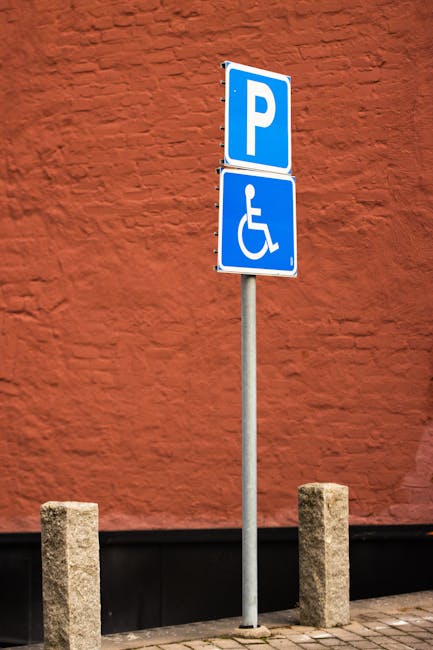
Most home moves are not legally complex, but there are still sensible standards to follow. If you are loading on or near a public street, parking and stopping restrictions matter. Always check local rules and any signs on the road. If permits, bay suspensions, or loading exemptions are involved, make sure they are arranged in advance rather than guessed on the day.
From a safety point of view, good practice usually includes:
- Clear access routes with minimal trip hazards
- Appropriate lifting technique and team lifting for heavy items
- Suitable equipment for weight, shape, and fragility
- Secure vehicle loading so items do not shift in transit
- Respect for neighbours, shared entrances, and common areas
For business moves, additional care may be needed around data, equipment, and safe access to workspaces. That is especially true for offices with public footfall. A dedicated office removals service in Crayford is often the more sensible choice because it can reduce disruption and help keep the move organised.
You may also want to review provider policies before booking. Pages such as health and safety policy, insurance and safety, and terms and conditions are worth a look when you want a clearer picture of expectations. That is just sensible due diligence, really.
Options, Methods, or Comparison Table
Different access situations call for different moving methods. Here is a simple comparison to help you think it through.
| Method | Best For | Strengths | Limitations |
|---|---|---|---|
| Man and van | Smaller moves, short distances, flexible access | Agile, cost-effective, easier in tight streets | Less suitable for very large or complex loads |
| Full house removals | Whole-home moves and mixed furniture loads | More support, more equipment, better for bigger jobs | May need more planning in restricted access areas |
| Specialist furniture removals | Bulky items, awkward shapes, fragile furniture | Focused handling and protection | Not always the best fit for a full household move |
| Storage-first move | Delayed handovers or split dates | Reduces pressure when access or timing is uncertain | Adds an extra step and possible storage period |
There is no single winner here. The best method depends on the actual access, not the ideal one in your head. If you have a mix of furniture and time pressure, talk to a provider early and be honest about the awkward bits. That is usually where the smart decision becomes obvious.
Case Study or Real-World Example
Imagine a couple moving from a first-floor flat above a shop on Crayford High Street. The front entrance is narrow, the stairwell turns sharply halfway up, and the nearest legal stopping point is not right outside the door. On paper, the move looks like a standard two-bedroom job. In reality, it needs a tighter plan.
They start by measuring the sofa, bed frame, and wardrobe doors. The wardrobe is too large to carry intact, so the team removes the doors and shelves in advance. The bed base is broken down, the mattress is bagged, and the smaller boxes are staged near the exit before the van arrives. Parking is arranged a short walk away from the building, so the team uses trolleys for the lighter items and carries the heavier pieces in pairs.
The result? No wall damage, no last-minute panic, and no awkward delay while someone tries to angle a sofa through a corridor that clearly says "no, not today." The move still takes effort, of course. But effort with a plan is very different from effort with guesswork. The couple also avoid a second trip by using pricing and quotes early, so they know what to expect before move day.
That kind of planning is exactly why local knowledge matters. A street-level move in a busy part of Crayford is not just about transport. It is about routing, timing, and realistic handling choices.
Practical Checklist
Use this checklist the week before the move. It keeps the day calmer, and calmer is good.
- Measure the front door, stair turns, and biggest furniture pieces
- Photograph any awkward access points
- Confirm parking or loading arrangements
- Tell the mover about steps, lifts, low ceilings, or narrow entrances
- Dismantle furniture where sensible
- Protect floors, corners, and door frames
- Pack an essentials box separately
- Label fragile and heavy boxes clearly
- Arrange help for bulky items like sofas, beds, and appliances
- Keep keys, phone, and documents somewhere easy to reach
- Check whether storage is needed between addresses
- Review service details, cover, and terms before the day
Expert summary: For a tight-access move from Crayford High Street, the winning formula is simple: measure early, strip out avoidable clutter, choose the right vehicle and crew, and don't leave parking to luck. That little bit of prep can save hours later.
Conclusion
Moving from Crayford High Street with tight access does not need to be stressful, but it does need respect. Narrow entrances, busy streets, stairs, and limited loading space all change how the move should be handled. Once you accept that, the rest becomes much easier to manage. Measure properly, pack cleverly, communicate clearly, and choose support that fits the space rather than forcing the space to fit the move.
If you are still weighing up the best approach, take a look at the local service pages for removal companies in Crayford and about us to understand the support available and how the team works. And if your move is time-sensitive, same-day removals in Crayford may be worth considering when plans shift fast.
Get a free quote today and see how much you can save.
With the right preparation, even a tricky high street move can feel manageable. Maybe not effortless. But manageable - and that counts for a lot.