Small Business Moves in Crayford: Secure, Insured Service
Posted on 06/07/2026
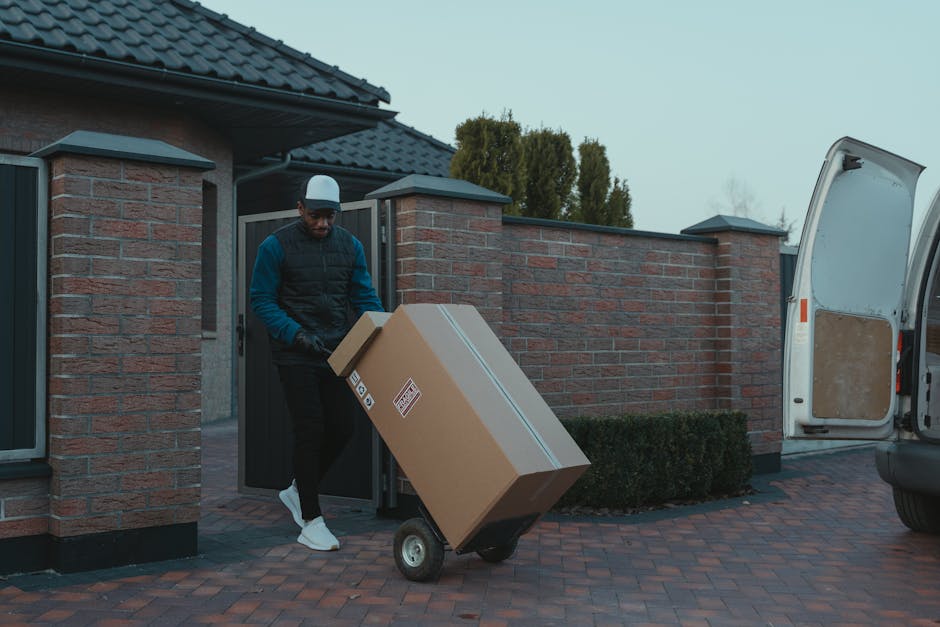
Moving a small business is rarely just about boxes and a van. It is about keeping the phones on, protecting equipment, making sure staff know what is happening, and avoiding that awkward Monday morning moment when the Wi-Fi router is somewhere in the wrong building. If you are planning Small Business Moves in Crayford: Secure, Insured Service, you probably want one thing above all: a move that is calm, controlled, and properly covered.
That is exactly what this guide is for. We will walk through how a secure and insured business move works, what it should include, where the common risks sit, and how to make sensible decisions without overcomplicating the process. I will also point you to a few useful local resources along the way, including pricing guidance for removals and practical planning advice from the DA1 quote guide.
Truth be told, most business moves go better when they are boring. No drama, no guessing, no last-minute panic. Just a careful plan, the right insurance, and a team that understands tight access, fragile kit, and the need to get you operational again quickly.
Why Small Business Moves in Crayford: Secure, Insured Service Matters
For a small business, a move is not just a transport job. It can affect revenue, customer service, staff productivity, data security, and your reputation. A missing monitor is annoying; a damaged server, confidential paperwork spill, or delayed reopening is a real problem. That is why security and insurance matter from the first planning call, not as an afterthought on moving day.
Crayford has its own practical challenges too. Some premises are straightforward, while others involve narrow parking, shared access, stairways, loading restrictions, or time-sensitive access windows. If you have ever tried to move a unit with a van waiting awkwardly around the corner while colleagues carry files in the rain, you will know how quickly a small issue turns into a big one.
Secure and insured service means the move is handled with attention to risk. That includes the physical move, but also the paper trail: what is being moved, who is handling it, what cover is in place, and what happens if something unexpected occurs. It is not just cautious. It is good business sense.
For businesses with furniture-heavy premises, the right support can also make a huge difference. A local provider with experience in office removals in Crayford will usually think ahead about access, dismantling, and the order of loading. That kind of thinking saves time and, frankly, a lot of stress.
Expert summary: A secure business move is one that protects your assets, controls disruption, and leaves no loose ends on liability, access, or timing.
How Small Business Moves in Crayford: Secure, Insured Service Works
A proper business move usually follows a clear process. The exact detail changes from one job to another, but the structure should feel familiar and calm. If it does not, ask more questions.
1. Initial review and quote
The first step is usually a site review, photo-based estimate, or detailed conversation about what is moving. A good provider will ask about desks, chairs, filing systems, IT equipment, access issues, lifts, parking, and the date you need to move. This is the stage where accurate information matters most. If you want a sense of what should be discussed, the article on accurate removals quotes for Crayford postcodes is a useful starting point.
2. Planning the move window
Small businesses often need to move outside trading hours, at the weekend, or in staggered phases. A good plan may split the job into packing day, move day, and setup day. That can sound slower on paper, but it often reduces disruption. To be fair, trying to do everything in one hit can be a false economy.
3. Preparing items for transit
Before anything goes on the van, items should be packed, labelled, wrapped, and grouped logically. Sensitive records need extra care. Electronics need proper protection. Furniture may need dismantling, and some pieces will benefit from professional handling rather than a quick "we'll just carry it" approach. If your team needs help with boxing up inventory, packing and boxes in Crayford can be part of the preparation conversation.
4. Protected loading and transport
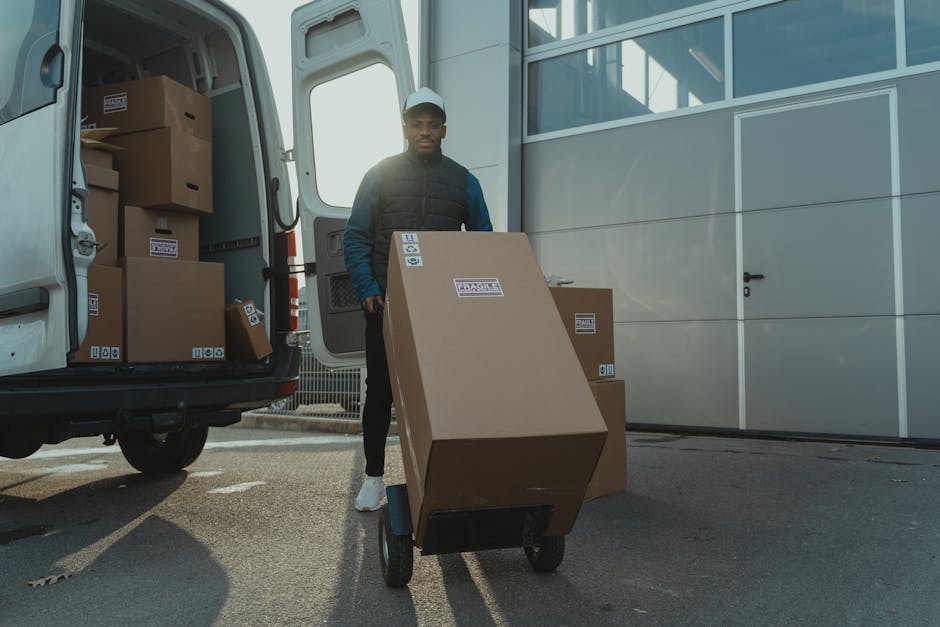
Loading should be done in a way that protects both property and people. That means using blankets, straps, trolleys, and the right lifting technique. It also means not overpacking the van, not stacking unstable items on top of sensitive equipment, and keeping the load organised so unloading is quick at the other end.
5. Delivery, placement, and basic setup
When the van arrives, items should be unloaded in a sensible order. Essentials first, then workstations, then storage units and non-urgent furniture. For some businesses, a move also includes reassembly and placement in pre-agreed rooms or zones. A small bit of coordination here makes the first day back much easier.
6. Post-move checks
After delivery, you should check items against your list, note any concerns immediately, and make sure access routes, keys, and handover points are properly closed out. A secure move is not finished until the final check is done. A lot of people skip this bit. Then they regret it later. Not ideal.
Key Benefits and Practical Advantages
There are plenty of reasons small businesses in Crayford choose a secure, insured moving service rather than trying to patch a move together with staff, rented vehicles, and a few strong backs. Some are obvious. Some are not.
- Less disruption: Your team can stay focused on work while the logistics are handled by people used to moving under pressure.
- Lower risk of damage: Proper packing, loading, and insurance reduce the likelihood of loss or breakage.
- Better time control: Timings are clearer when the move has been mapped out properly.
- More confidence with valuable items: IT kit, printers, archive storage, and specialist furniture can be moved with more care.
- Cleaner handover: A professional move tends to leave both the old and new site more organised.
- Support for awkward access: Tight corners, loading bays, stairs, and shared entrances are less of a headache when the team is prepared.
There is also a very real psychological benefit. When you know the move is insured, planned, and in capable hands, everyone tends to breathe a little easier. You can hear it in the office. The tone changes. Less frantic, more focused.
For businesses with furniture to shift, the specialist angle matters too. A local service with experience in furniture removals in Crayford can help with items that do not fit neatly into a standard "load and go" approach. That can include filing cabinets, reception furniture, desks, and awkward boardroom pieces.
Who This Is For and When It Makes Sense
Not every business move needs the same level of support, but many need more than they first think. If your business uses equipment, stores records, handles customer data, or needs to reopen quickly after the move, secure and insured help is usually the sensible route.
This service is especially relevant for:
- retail units moving stock and fixtures
- small offices relocating between local premises
- professional practices with sensitive paperwork
- home-based businesses expanding into commercial space
- start-ups moving from a shared office into their own unit
- businesses with bulky furniture or specialist equipment
- time-sensitive moves with tight handover dates
It also makes sense if you are not sure how much the move will involve. That happens a lot. A small office starts with "just a few desks" and ends with monitors, archive boxes, a kitchenette, a meeting table, and a suspiciously heavy cabinet nobody wants to admit buying. Sound familiar?
If your business is in a flat, converted building, or shared premises, you may want to compare options carefully. Pages such as flat removals in Crayford and removal services in Crayford can help you think through the practical side of access and handling.
Step-by-Step Guidance
Here is a straightforward way to approach the move without overthinking it.
- List everything being moved. Split it into furniture, files, tech, stock, fragile items, and essentials.
- Decide what stays, what goes, and what gets recycled. There is no point paying to move broken chairs or redundant storage units. If you want help trimming the load, the guide on decluttering before a move is worth a look.
- Confirm access details. Check parking, lift access, opening hours, and loading restrictions. If permits are needed, the post on Bexley Council parking permits for Crayford moves can help frame the conversation.
- Prepare the IT and paperwork separately. These should not be buried under random boxes. Keep critical items easy to identify.
- Pack room by room or function by function. That makes setup easier later. If you need practical packing help, see packing tricks that simplify a move.
- Use a clear label system. Simple labels like "Accounts," "Reception," and "Server cabinet" work better than vague notes.
- Book an insured mover and confirm cover. Ask what insurance is included, what exclusions apply, and how claims are handled.
- Move in the order that protects business continuity. Essential items first, setup-critical items second, everything else after that.
- Check the inventory on arrival. Count, inspect, and sign off carefully. Do not rush this part just because the kettle is calling.
Expert Tips for Better Results
After enough moves, certain habits stand out as the difference between a clean relocation and a messy one. Here are the ones that matter most.
Keep the move smaller than you think
One of the smartest things you can do is reduce what you move. Old stock, broken shelving, outdated files, redundant hardware-these items slow everything down. Many business owners discover this only when they start stacking boxes and wonder why they own three printers. It happens.
Protect the awkward items early
Reception furniture, glass partitions, laptops, monitors, and specialist chairs often need more protection than standard office items. If your move includes larger or especially delicate pieces, it is worth reading the advice on specialist handling for heavy, delicate items and thinking about which assets need a pro touch.
Ask about lifting methods, not just vehicle size
Vehicle size matters, yes, but safe lifting methods matter just as much. A team that understands careful handling and controlled movement will usually cause less disruption. The article on kinetic lifting techniques gives a useful sense of how proper handling improves safety and efficiency.
Plan for the first hour at the new site
It is easy to focus on getting out of the old place and forget what happens next. In practice, the first hour at the new premises matters hugely. Put keys, access cards, power leads, and essential equipment in one separate box or bag. You will thank yourself later.
Do not guess your insurance position
Ask direct questions. What is covered, what needs declaring, and what happens if something is damaged in transit? A professional provider should be able to explain this in plain English. If they cannot, that is a bit of a red flag. Quietly walk away, if needed.
Use the move as a reset
A move is a good moment to tidy layouts, improve storage, and update workflows. It is not just relocation; it is a chance to make the business easier to run. Small improvement, big payoff.
Common Mistakes to Avoid
Most moving mistakes are not dramatic. They are ordinary, avoidable, and surprisingly expensive in time or stress. Here are the ones that cause the most trouble.
- Leaving the quote too vague: If the mover does not know what is being moved, the schedule and price may both be off.
- Ignoring access issues: Tight streets, loading restrictions, and poor parking can slow the job dramatically.
- Packing by panic: Random box-filling leads to missing items and messy setup later.
- Mixing critical files with general clutter: Business records should be treated separately.
- Underestimating furniture dismantling: Big desks and cabinets often need proper disassembly.
- Not checking the small print on insurance: Cover varies. Always verify.
- Forgetting waste and unwanted items: If you leave them until the last minute, they become somebody else's problem. Or yours, which is worse.
Another common mistake is assuming that "insured" automatically means "anything at any value." It does not. Reasonable limits, exclusions, and conditions usually apply. This is normal. The point is to understand the cover, not to guess it.
Tools, Resources and Recommendations
You do not need a mountain of equipment to move a small business well, but a few basics make the job smoother.
- Strong boxes: Use consistent sizes where possible so stacking is safer.
- Labels and markers: Clear labels save a lot of backtracking later.
- Protective wrap and blankets: Good for screens, desks, and polished surfaces.
- Trolleys and straps: Useful for heavier or awkward items.
- Document boxes: Keep records separate from general packing.
- Storage options: Helpful if you are moving in stages or waiting for a fit-out.
For businesses that need an interim holding place, storage in Crayford can be a practical bridge between leaving one premises and fully settling into another. That can be especially useful if the new office is not ready on the exact day you vacate the old one.
If you are comparing transport options, the broader service pages can help you understand the differences between man with a van in Crayford, man and van in Crayford, and a fuller removal van in Crayford setup. For a business, the right choice often depends on volume, access, and how much help you need with loading.

Law, Compliance, Standards, or Best Practice
For business moves, compliance is less about drama and more about being organised, respectful of duty of care, and clear about responsibilities. In the UK, that usually means thinking carefully about insurance, health and safety, handling of confidential materials, and any contractual obligations around your premises handover.
There are also practical best-practice points that matter even when they are not legally exciting:
- Health and safety planning: Heavy lifting, stair use, and awkward access should be assessed before the move starts.
- Document security: Sensitive paperwork and client data should be packed, tracked, and stored appropriately.
- Clear terms: You should know what the mover is responsible for and what you are responsible for.
- Payment security: Use secure payment processes and confirm how invoices are issued and settled.
- Waste handling: Unwanted items should be dealt with responsibly and lawfully.
It is wise to review a provider's own policies too. Pages such as health and safety policy, terms and conditions, payment and security, and insurance and safety are there for a reason: they help you understand expectations before anything is loaded.
Best practice also includes keeping a simple inventory, having a named contact on both sides, and confirming the move plan in writing. Nothing flashy. Just sensible, clear process. That is usually what keeps a business move smooth.
Options, Methods, or Comparison Table
Different businesses need different moving methods. Here is a practical comparison to help you decide what fits your situation.
| Option | Best for | Strengths | Limitations |
|---|---|---|---|
| DIY with staff and hired vehicle | Very small, low-value moves | Potentially lower upfront cost | Higher risk, more disruption, limited protection |
| Man and van support | Light office loads, flexible small moves | Quick, cost-conscious, often suitable for modest volumes | May be less ideal for complex or bulky business furniture |
| Dedicated removals service | Full office moves or sensitive equipment | Better planning, safer handling, stronger continuity | Usually costs more than a bare-bones approach |
| Staged move with storage | Moves with delays, fit-outs, or limited access | Good for flexibility and sequencing | Requires more coordination and a little patience |
In practice, many small businesses choose a hybrid approach. For example, a company might move non-essential stock first, keep IT and documents separate, then complete the main office shift in one controlled window. It is not fancy. It just works.
Case Study or Real-World Example
Here is a simple real-world style example based on the kind of move many Crayford businesses face.
A small consultancy in Crayford needed to leave a first-floor space with limited parking and move to a nearby unit with slightly better access. The team had desks, monitors, a filing cabinet, several archive boxes, and a few awkward chairs that had seen better days. Nothing huge, but enough to cause trouble if handled casually.
The plan started with a short review of access, load order, and what could be disposed of rather than moved. A few redundant items were removed, which immediately cut the workload. Essential documents were separated and labelled first. IT equipment was wrapped and kept together. Furniture was dismantled where needed, and the move was timed for a quieter window so staff disruption stayed low.
The smoothest part? The handover. Because the items were listed properly and the move was insured, there was no scrambling over who had what or what condition it was in. The business reopened more or less on schedule, and the team spent the afternoon reconnecting monitors rather than hunting for charger cables. A small victory, but a real one.
If your business needs faster turnaround, the advice in same-day Crayford removals can be helpful for understanding how urgent moves are usually booked and managed.
Practical Checklist
Use this checklist to keep the move under control. Simple, but effective.
- List all items to be moved
- Mark fragile, confidential, and essential items clearly
- Confirm access, parking, and loading details
- Check whether any parking permits or restrictions apply
- Decide what will be recycled, stored, or disposed of
- Pack documents and IT separately
- Label every box with room or function
- Confirm insurance cover and terms
- Set a move-day contact person
- Prepare keys, fobs, and access codes
- Keep power leads, chargers, and setup essentials together
- Inspect items on arrival and log any issues promptly
If bulky items are part of the move, it can help to review related guidance on bulky waste moves in Crayford. Sometimes the best move is not moving something at all.
And if you are clearing furniture before or after the relocation, you may also find recycling and sustainability useful for thinking about responsible disposal.
Conclusion
Small business moves work best when they are planned around protection, not just transport. In Crayford, that means thinking about access, timing, packing, insurance, and the practical reality of getting your business back up and running with as little friction as possible. A secure, insured service is not an extra luxury. It is the foundation of a sensible move.
The good news is that most of the stress can be removed early by asking the right questions, cutting out unnecessary items, and choosing a mover who understands both the physical and business side of relocation. Do that, and the move becomes manageable. Even, dare I say, almost tidy.
Get a free quote today and see how much you can save.


