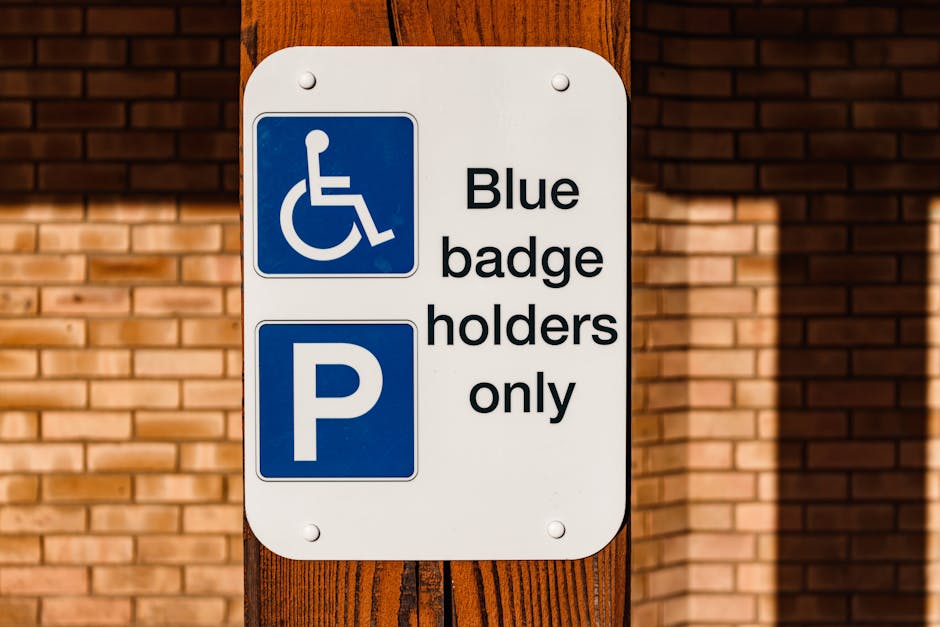
Bexley Council Parking Permits for Crayford Moves
Posted on 02/06/2026
Bexley Council Parking Permits for Crayford Moves: A Practical Guide for a Smoother Moving Day
If you are moving in Crayford, parking can become the detail that throws the whole day off. A van blocked by parked cars, a driver circling for ten minutes, a neighbour asking what's happening, the clock ticking away - it all adds up. That is why understanding Bexley Council Parking Permits for Crayford Moves matters so much. It is not just paperwork. It is the difference between a calm, organised move and a stressful scramble at the kerbside.
In this guide, we'll break down what the permit process means in practice, who needs it, how to plan around it, and how to avoid the little mistakes that can cause big delays. We'll also look at sensible moving-day preparation, from route planning to protecting furniture, so you can arrive ready rather than flustered. Truth be told, parking is one of those things people only think about when it goes wrong.
Why Bexley Council Parking Permits for Crayford Moves Matters
Crayford is a busy part of southeast London, and moving day often means narrow streets, shared access, and limited stopping space. If your removal van cannot park close enough to the property, the move gets slower, heavier, and more expensive in time and effort. That is the simple version.
The bigger issue is that parking pressure affects almost every part of the move. Boxes get carried further. Sofas become awkward. Fridges and mattresses take longer to handle. If you are already dealing with stairs, tight hallways, or a flat above a shop, poor parking can turn a manageable job into a headache. A permit or approved parking arrangement gives the crew a lawful place to load and unload without gambling on a free bay appearing at the last minute.
It also protects you from avoidable friction with neighbours, building managers, and enforcement officers. Nobody wants their moving day interrupted by a warning notice or a van that has to be moved mid-lift. You know the feeling: one small disruption and the whole rhythm changes.
If you are planning a home move, a flat move, or a small office relocation, parking should be treated as a core part of the move plan, not a last-minute add-on. That is especially true where access is already tight, such as around busy residential roads or near Crayford Station. For moves with heavy furniture, it is worth pairing parking planning with a broader plan for safe handling, like the advice shared in our guide to lifting hefty objects more safely and the practical tips in kinetic lifting techniques for moving day.
How Bexley Council Parking Permits for Crayford Moves Works
In plain English, a parking permit for a move is permission to use a specific parking space, bay, or controlled stretch of road for a limited time. The exact rules, application route, and timing depend on the street, the type of bay, and the council's current process. That is why you should always check the live local requirements well before the move, rather than assume yesterday's arrangement will still apply today.
For a Crayford move, the process usually involves identifying where the van needs to stop, checking whether that location sits within a controlled parking area, and then arranging the right permission in advance if needed. In many cases, the permit is more useful than people expect, because a van does not need to be parked all day - it just needs a reliable window for loading and unloading without trouble.
A practical moving-day arrangement can include:
- a reserved bay or loading area near the property
- a short stop for loading from a house, flat, or office
- temporary suspension of a resident bay, where allowed
- clear instructions for the driver about arrival time and access route
One thing people often miss is timing. If your crew arrives before the parking arrangement is active, even by a little, you can get caught in the gap. And in moving, gaps are annoying. They ripple outward. So it is worth building in a buffer, especially if you are moving on a weekday or around school run hours.
If your property is awkwardly placed - say, a first-floor flat, a narrow front road, or a home where every space seems to be taken by 8 a.m. - you should also think about how the van will manoeuvre once it gets there. Our local guides on moving from Crayford High Street with tight access and fast commuter moves near Crayford Station are useful companions here because parking and access usually go hand in hand.
Key Benefits and Practical Advantages
The biggest benefit is not just avoiding a fine. It is making the entire move less chaotic. With parking organised, the team can work in a steady flow rather than stop-start bursts. That saves time, reduces strain, and helps protect your belongings.
Here are the benefits that matter most in real life:
- Shorter carry distances: fewer steps with boxes, wardrobes, and appliances.
- Better safety: less chance of awkward lifts across roads or around parked cars.
- More predictable timing: the van is not hunting for a bay while you wait at the door.
- Less neighbour conflict: no guessing about who owns which space.
- Lower stress: one major variable is already under control.
There is also a commercial advantage if you are moving a business, studio, or office. Staff time is expensive. Waiting around for parking to sort itself out is rarely a good use of anyone's morning. If you are planning an office move, it can help to compare parking arrangements with the broader logistics discussed in our office relocation article for Crayford Industrial Estate.
And honestly, a permit can reduce that slightly panicky feeling you get when the van arrives and every space looks impossible. You still have a move to do, of course, but at least one important piece is already in place.
Who This Is For and When It Makes Sense
Not every move needs the same level of parking planning, but many do. If you live on a road with limited on-street space, you should assume parking will matter. If you are moving into or out of a flat, it matters even more. Flats, especially in busier parts of Crayford, often involve shared entrances, narrow access, or bays that are already heavily used.
This is especially relevant for:
- household moves from terraced homes or tightly parked streets
- flat moves with stairs, lifts, or shared access
- student moves where turnaround time is short
- office or commercial moves with loading windows
- large furniture moves, including sofas, beds, and pianos
If you are moving only a few boxes, you may not need a formal parking setup. But even then, it helps to think about where the van can stop safely. A short, legal loading space can make a surprising difference. One customer moving from a second-floor flat once said the permit saved them "about an hour of staircase misery." Slightly dramatic maybe, but not wrong.
For bigger items, the parking question becomes even more important. A sofa carried from a distant bay in drizzle? Nobody wants that. For those situations, the article on sofa storage and protection and our guide to moving beds and mattresses can help you prepare the items themselves while parking takes care of the route.
Step-by-Step Guidance
Here is a sensible way to approach the process without overcomplicating it.
- Check the moving address and access conditions. Look at the street, bay restrictions, traffic flow, and any signs near the property. If you can, visit at roughly the same time of day as the move. It is a small step, but it reveals a lot.
- Decide whether a permit or loading arrangement is needed. If parking is easy and unrestricted, you may not need one. If the street is controlled or busy, assume you probably do.
- Build the parking plan into the move booking. The van, the crew, and the access plan should all match. A good moving plan is joined up, not separate bits floating around in different emails.
- Allow enough lead time. Even simple permission arrangements can take longer than expected when you are juggling keys, completion times, and childcare. Leaving it late is a classic moving-day mistake.
- Share clear instructions. Give the exact property details, any awkward turns, door codes, and where the van should stop. The more precise you are, the smoother things go.
- Prepare the property for loading. Clear hallways, protect floors, and place packed items near the exit where safe. If you need help getting organised, our expert packing tricks guide and decluttering advice are a good place to start.
- Confirm the plan again before moving day. A quick check the day before can save an embarrassing scramble. No one enjoys finding out at 7:30 a.m. that the van cannot stop where everyone expected.
One useful habit: print or save the relevant details in one place. Moving day has enough moving parts already. You do not need five screenshots and a voice note hidden somewhere in your phone. We've all been there.
Expert Tips for Better Results
A few practical habits can make parking and access much easier, especially in Crayford where local streets can feel tight at peak times.
- Choose the time window carefully. Early starts can help, but only if the property and neighbours are ready. Mid-morning may be calmer on some roads. The best time depends on the street, not guesswork.
- Keep the loading point as close as possible. A legal, nearby stop is worth more than a "maybe space" a street away.
- Think about item order. Put the heaviest or most awkward pieces near the exit first if they will be loaded early. That saves time later when fatigue kicks in.
- Use proper protection for furniture. Parking close is helpful, but scratches still happen if you rush. Our pre-move cleaning guide pairs well with the practical side of protecting the property and your items.
- Have one person focused on access. A single person watching the route, doors, and parking point can prevent confusion. It sounds simple because it is simple.
- Use professional help where needed. Heavy items, pianos, and awkward stair carries deserve proper handling. For a fuller view of risk and preparation, see insurance and safety information and the guide to professional piano moving.
Another small tip: if your move involves a flat or upper-floor property, make sure the parking plan is matched to the lift or stair access. An easy load-in is no use if the van is parked on the wrong side of the building. Happens more often than you'd think.
Common Mistakes to Avoid
Parking errors tend to be repetitive. The good news is that once you know the usual traps, you can sidestep them with very little effort.
- Leaving parking until the last minute. This is the biggest one. It is also the most avoidable.
- Assuming a space will be available. On a quiet Tuesday, maybe. On move day, less so.
- Not checking the exact kerbside rules. Some spaces look usable but are not suitable for loading, or are restricted at certain times.
- Forgetting about neighbours' access needs. Blocking driveways or shared entrances can cause immediate problems.
- Not allowing time for the van to reposition. A tight street may require a little manoeuvring. If your schedule is too rigid, stress rises fast.
- Ignoring weather. Rain changes everything. Wet pavements, slippery floors, and slower loading all make parking proximity even more valuable.
There is a related mistake that is less obvious: people focus so much on the permit that they forget the rest of the move. Packing, dismantling, labels, and access all still matter. The smartest approach is to handle parking as one piece of a bigger plan. If you need help with the wider process, our guide to stressless house relocation is worth a read.
Tools, Resources and Recommendations
You do not need fancy software to manage parking for a Crayford move, but a few simple tools make life easier. Think of this as the practical kit that keeps things tidy.
- Phone notes: keep permit details, arrival times, and access instructions in one place.
- Photos of the street: useful for showing where the van can stop and what the approach looks like.
- Printed labels: help when boxes are moved quickly from the property to the van.
- Floor protection and covers: essential if loading points are narrow or muddy.
- Basic tool kit: handy for dismantling beds, removing legs, or loosening fittings before loading.
For furniture-heavy moves, it also helps to choose the right moving support. A furniture removals service in Crayford is often the best fit when the move includes bulky items, while a flat removals service makes more sense when stairs, lifts, and shared entrances are the bigger challenge. If you are trying to work out which option suits your situation, the broader services overview is a helpful starting point.
And if you are still comparing moving options, our pricing guide at pricing and quotes can help you think through budget alongside access. Moving is never just one variable, is it?
Law, Compliance, Standards, or Best Practice
Parking arrangements for removals sit in a space where local parking controls, road restrictions, building rules, and general moving-day best practice all overlap. The key thing to remember is simple: do not park or stop where you are not allowed to, even for a "quick" load. Quick can still attract a ticket, and tickets have a habit of arriving exactly when you are carrying something awkward.
Best practice in this context usually means:
- checking local street restrictions before moving day
- planning for loading and unloading windows, not just travel time
- making sure any arranged parking is communicated clearly to everyone involved
- keeping walkways, entrances, and fire exits clear
- using safe lifting and handling methods for heavy furniture
From a safety point of view, the parking decision affects how far items are carried and how often they are lifted. That matters. A shorter carry reduces strain and lowers the chance of slipping, dropping, or twisting awkwardly. If you want a fuller view of how a reputable mover approaches safety, our health and safety policy and terms and conditions are useful trust-building pages to review alongside the move plan.
For clients who are particularly concerned about responsibility and risk, it also helps to understand how a moving company handles security and cover. That is why we point people toward our payment and security page and the wider about us information. It gives context, and context matters when you are trusting someone with your belongings.
Options, Methods, or Comparison Table
There is more than one way to manage parking for a move. Which one is best depends on your street, your budget, and how much access control you need.
| Approach | Best for | Advantages | Watch-outs |
|---|---|---|---|
| Informal roadside loading | Quiet streets with easy stopping | Simple, quick, minimal admin | Risky if bays are busy or restrictions apply |
| Pre-arranged parking permission | Controlled or busy streets | More certainty, shorter carry distance | Requires planning and lead time |
| Resident bay or loading bay coordination | Flat moves and tightly parked roads | Closer access, easier loading | May need clear communication with neighbours or building management |
| Timed arrival with permit support | Moves with strict schedules | Helps align the van, keys, and access window | Less flexible if completion times change |
If you are unsure which method suits your move, choose the one that reduces uncertainty, not just the one that sounds easiest today. In moving, convenience and reliability are not always the same thing.
Case Study or Real-World Example
Here is a realistic example based on the sort of move that comes up often in Crayford.
A couple were moving out of a two-bed flat with a shared entrance and limited roadside space. They had a sofa, bed frames, a freezer, several boxes of kitchen gear, and a couple of awkward items that needed two people to carry properly. The first instinct was to "just park nearby and be quick." That usually sounds fine until you stand on the street and realise every space is taken.
Instead, they planned the parking in advance, chose a loading point close to the entrance, and kept the van arrival aligned with key handover. Because the van could stop close to the door, the team avoided repeated long carries down the pavement. The bed, freezer, and sofa all moved more smoothly, and the flat was cleared faster than they expected. Not magic. Just fewer unnecessary steps.
They also benefited from preparing the flat before the day. Boxes were labelled, fragile items packed properly, and the larger furniture was ready for loading. That combination - parking plus prep - is what made the move feel orderly. If you are in a similar situation, the guides on beds and mattresses, freezer storage, and storage in Crayford can help you plan the contents of the move as carefully as the kerbside logistics.
Practical Checklist
Use this checklist in the days before your move. Keep it simple. Tick each item once, and move on.
- Confirm the moving date and arrival window.
- Check whether parking controls apply at the origin and destination.
- Decide if a permit or loading arrangement is needed.
- Share the exact property address and access notes with the moving team.
- Identify the best place for the van to stop.
- Reserve time for any paperwork or approval needed in advance.
- Prepare boxes and label rooms clearly.
- Dismantle large furniture where appropriate.
- Protect floors, door frames, and corners.
- Keep hallways, lifts, and entrances clear.
- Have keys, codes, and contact details ready.
- Double-check weather and build in extra time if needed.
Expert summary: The smartest Crayford move plans treat parking as part of the logistics, not a side task. When the van can stop close, loading becomes safer, quicker, and much less tiring.
If you are weighing up the type of support you need, you may also find it useful to explore man with a van in Crayford, man and van services, or a larger removal services option depending on the size and complexity of the job. Bigger move? Then the broader house removals and removals pages are sensible places to start.
Conclusion
Bexley Council Parking Permits for Crayford Moves are about more than avoiding hassle. They are part of a well-run move, especially when parking is limited, access is tight, or the property sits on a busy street. Get the parking right and everything else feels easier: loading, carrying, timing, and even the mood in the room.
To be fair, most moving stress comes from a handful of solvable problems. Parking is one of them. Prepare it early, communicate clearly, and match the arrangement to the property rather than hoping the street will sort itself out. That one decision can save a surprising amount of energy.
Get a free quote today and see how much you can save.
And if you are still in the early planning stage, take a breath. A careful move is very doable. One step at a time, and the day tends to settle into place.